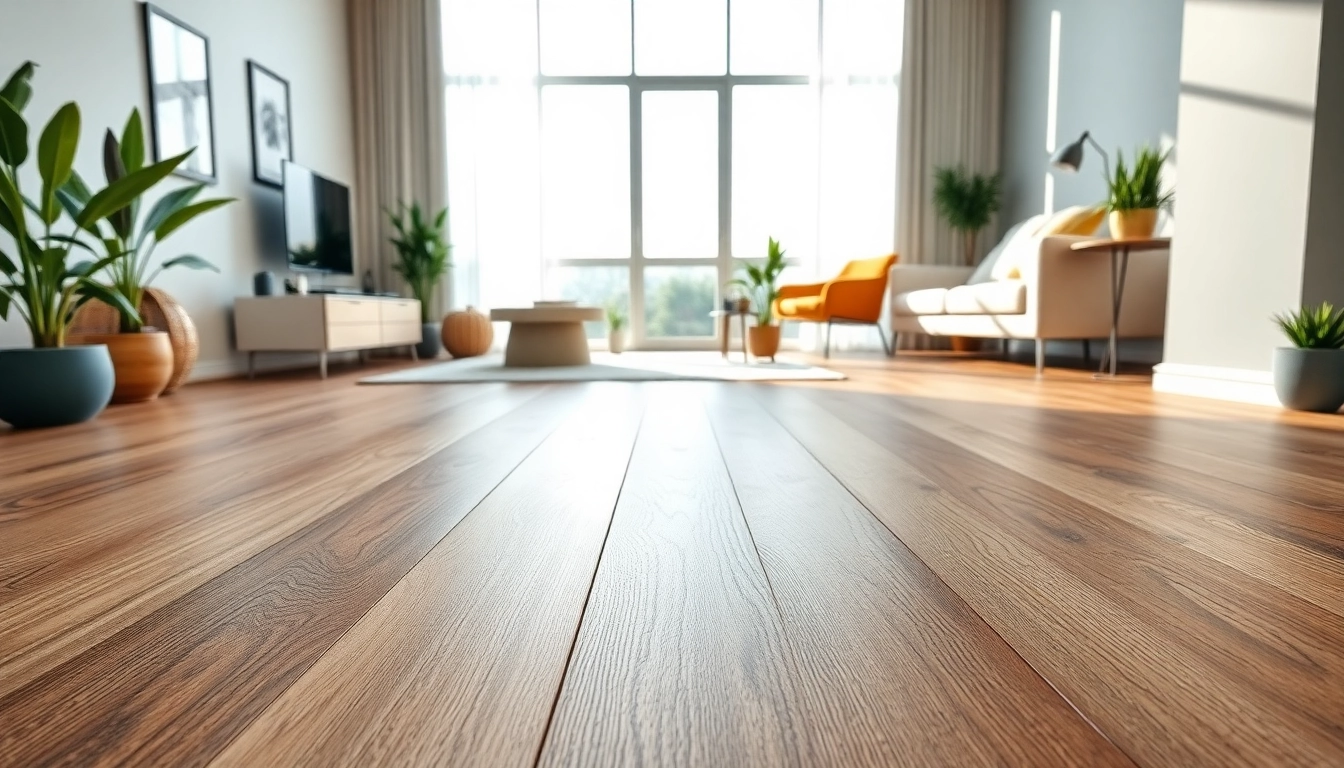
Introduction to Waterproof Vinyl Flooring
Today, homeowners and designers are increasingly drawn to waterproof vinyl flooring as a versatile and practical choice for residential and commercial spaces. Offering a perfect blend of style, durability, and ease of maintenance, this flooring option has become a go-to solution for anyone looking to enhance their interior spaces without compromising functionality.
What is Waterproof Vinyl Flooring?
Waterproof vinyl flooring is a specially engineered product designed to resist moisture and spills, making it an ideal choice for areas prone to water exposure, such as kitchens, bathrooms, and basements. It is made from layers of polyvinyl chloride (PVC) and is designed to mimic the appearance of natural materials like wood or stone. Unlike traditional vinyl flooring, waterproof varieties utilize advanced technology, including high-density core structures and superior top layers, to enhance water resistance and durability.
Key Benefits of Waterproof Vinyl Flooring
- Water Resistance: As the name suggests, waterproof vinyl flooring can withstand liquid spills without damage, reducing the risk of mold and mildew.
- Design Versatility: Available in numerous styles, colors, and textures, this flooring can complement any design aesthetic—from rustic to contemporary.
- Comfort and Warmth: Unlike tile or stone flooring, waterproof vinyl offers a softer and warmer underfoot feel, enhancing comfort, especially in colder climates.
- Easy Maintenance: This flooring type is easy to clean and maintain, requiring only simple sweeping and occasional mopping to keep it looking new.
- Cost-Effective: Compared to natural hardwood or stone, waterproof vinyl flooring typically comes at a lower price point, making it accessible for various budgets.
- Durability: Designed to withstand wear and tear from foot traffic, waterproof vinyl is resistant to scratches and dents, ensuring longevity.
Common Uses for Waterproof Vinyl Flooring
Owing to its robust features, waterproof vinyl flooring is meeting the demands in various environments. Common applications include:
- Kitchens: The likelihood of spills in kitchens makes waterproof vinyl a sensible choice, combining style with ease of cleaning.
- Bathrooms: Its resistance to moisture makes it ideal for bathrooms where humidity and spills are regular occurrences.
- Basements: Since basements are prone to dampness, waterproof vinyl flooring prevents water damage and enhances the comfort of the space.
- Entryways: With high foot traffic and potential wet conditions, waterproof vinyl helps maintain cleanliness and protects the underlying structure.
- Commercial Spaces: Restaurants, cafés, and retail spaces often leverage waterproof vinyl for its aesthetic appeal and practicality in a dynamic environment.
Choosing the Right Waterproof Vinyl Flooring
When selecting the perfect waterproof vinyl flooring, several factors should be considered to ensure you make an informed decision that suits your specific needs and preferences.
Factors to Consider When Selecting Vinyl Flooring
- Plank vs. Tile: Consider whether you prefer the appearance of planks mimicking hardwood or tiles resembling stone. Both styles offer unique design potentials.
- Thickness: Vinyl flooring ranges from 4 mm to 8 mm or more for more significant durability and comfort. Thicker options typically provide better sound insulation and underfoot cushioning.
- Wear Layer: The wear layer is critical for durability and resistance. A thicker wear layer can help protect against scratches, dents, and fading.
- Installation Type: Determine whether you prefer glue-down, click-lock, or loose lay installation. Each method has its benefits based on project scope and skill level.
- Color and Texture: The aesthetic value is paramount for many homeowners. Choose colors and textures that harmonize with your overall interior design scheme.
Comparing Waterproof Vinyl Options: Types and Styles
When exploring waterproof vinyl flooring, it’s essential to understand the different types available:
- Luxury Vinyl Plank (LVP): This option replicates the look and feel of hardwood flooring, often available in longer planks.
- Luxury Vinyl Tile (LVT): Resembling traditional ceramic or stone tiles, LVT delivers a stylish alternative with added comfort and resilience.
- Glue-down Vinyl: This traditional method involves adhering the vinyl directly to the subfloor and is suitable for irregular surfaces.
- Click-lock Vinyl: This floating floor option features interlocking edges for easy installation and acoustic benefits.
Understanding Water Resistance Ratings
Consumer knowledge of water resistance ratings is crucial. Most vinyl flooring products come with ratings delineating their resistance to moisture:
- Waterproof: Entirely impervious to water; designed for wet areas.
- Water-Resistant: Can handle minor spills and humidity but is not suitable for standing water.
- Waterproof Core Options: Certain brands offer enhanced cores that provide drainage and improve moisture resistance.
Installation Process for Waterproof Vinyl Flooring
Proper installation is vital to maximizing the performance and lifespan of your waterproof vinyl flooring. Here’s a comprehensive guide.
Preparation and Planning for Installation
- Subfloor Assessment: Check the condition of your subfloor. It should be clean, dry, and level. Any imperfections should be repaired before installation.
- Acclimation: Allow your vinyl flooring to acclimate in the room where it will be installed for 48 hours. This helps reduce the chance of bowing or buckling after installation.
- Gather Your Tools: Ensure you have all necessary tools ready, including a utility knife, straightedge, measuring tape, and underlayment if required.
Step-by-Step Guide to Installing Vinyl Flooring
The installation process can vary slightly depending on the method chosen; however, the following steps are generally applicable:
- Mark the Center: Start by finding the center of the room and marking your installation area for a balanced look.
- Measure and Cut: Measure the required length and make precise cuts, especially around corners and obstacles.
- Install Underlayment: If using a glue-down method, laying an underlayment can help with moisture protection and comfort.
- Lay the Planks or Tiles: Begin installing the planks or tiles from the center of the room. Ensure they interlock or are glued down correctly, following manufacturer instructions.
- Trim and Finish: Once all flooring is installed, add trim, baseboards, or transition strips to complete the look.
Common Mistakes to Avoid During Installation
To ensure the longevity and appearance of your flooring, avoid these common mistakes:
- Not reading the manufacturer’s instructions thoroughly can lead to improper installation.
- Neglecting subfloor preparation may result in uneven surfaces.
- Skipping acclimation can cause issues like buckling or warping.
- Improper sealing around edges can lead to moisture damage.
Caring for Your Waterproof Vinyl Flooring
While waterproof vinyl flooring is designed for durability, proper care is still essential for maintaining its appearance and functionality over time.
Best Cleaning Practices for Longevity
- Regular Sweeping: Keep dirt and debris at bay by sweeping or vacuuming regularly to prevent scratches.
- Mopping: Use a damp mop with a mild cleaner specifically formulated for vinyl flooring to maintain its shine.
- Spot Cleaning: Promptly address spills by wiping them up with absorbent cloths to prevent stains.
Dealing with Scratches and Dents
Despite the durability of waterproof vinyl flooring, minor scratches may occur. Here’s how to address them:
- For superficial scratches, use a floor polish specific to vinyl flooring to buff out the area.
- Deeper scratches may require a fill-in kit available from flooring retailers, matching your flooring color.
- Dents can sometimes be lifted using a heat source, such as a hairdryer, to warm the vinyl, allowing it to relax.
Maintaining Appearance and Performance
Maintaining waterproof vinyl flooring involves monitoring its condition. Consider the following:
- Regularly check for loose seams or edges and address them immediately to prevent further damage.
- Avoid harsh chemical cleaners that might degrade the finish over time.
- Utilize area rugs in high-traffic zones to further protect against wear.
FAQs About Waterproof Vinyl Flooring
How long does waterproof vinyl flooring last?
Waterproof vinyl flooring can last between 15 to 25 years with proper care and maintenance, making it a durable investment for your space.
Can waterproof vinyl flooring be installed in wet areas?
Yes, waterproof vinyl flooring is specifically designed for wet areas like bathrooms and kitchens, offering excellent moisture resistance.
Is waterproof vinyl flooring eco-friendly?
Many brands offer eco-friendly waterproof vinyl flooring options made from recycled materials and low in harmful chemicals, making them safer for homes.
What is the cost range for waterproof vinyl flooring?
Prices for waterproof vinyl flooring typically range from $2 to $7 per square foot, depending on style, thickness, and brand quality.
Can I install waterproof vinyl flooring over existing floors?
Yes, waterproof vinyl can often be installed over existing floors as long as they are stable and in good condition, though preparation is crucial.