Understanding Spray Foam Insulation
What is Spray Foam Insulation?
Spray foam insulation is a modern and effective insulation material used in residential and commercial buildings. Comprising a mixture of chemicals that react when sprayed, it expands and forms a solid barrier that helps to inhibit air leakage, moisture penetration, and thermal transfer. This insulation solution is applied in various forms, including open-cell and closed-cell options, each suited for different applications and climates.
Benefits of Spray Foam
The primary attractions of spray foam insulation are its energy efficiency, air-tight seal, and versatility. By expanding to fill gaps, it minimizes the ecological footprint by reducing energy consumption, translating to lower utility bills. Additionally, spray foam insulation can enhance structural integrity, acting as both an insulator and a support material. This insulation also contributes to soundproofing, making spaces quieter and more comfortable. Notably, it has a longer lifespan than traditional insulation materials, often lasting decades without losing its effectiveness.
Common Issues with Spray Foam
Despite its many benefits, spray foam insulation is not without challenges. Over-application can lead to issues such as bulging walls or ceilings, while improper installation may result in air leaks or moisture problems. Furthermore, some homeowners have reported odor concerns, particularly with certain spray foam formulas. Allergic reactions or respiratory issues could arise due to off-gassing, highlighting the importance of proper ventilation during installation.
Identifying the Need for Removal
Signs You Need Spray Foam Removal Guidance
Identifying when to remove spray foam insulation is crucial. Signs indicating a need for removal include visible damage to the insulation, signs of mold or moisture, persistent odors, or a noticeable decrease in energy efficiency. Homeowners should also assess their property for potential allergens or irritants that might stem from degraded foam. If these indicators arise, consulting spray foam removal guidance can be beneficial.
Potential Hazards of Existing Foam
Existing spray foam insulation might pose health risks if it’s deteriorating. Compromised foam can release harmful chemicals that affect indoor air quality. Mold growth can also occur if moisture seeps into the compromised foam, leading to potential respiratory issues. Additionally, if the insulation was improperly mixed or applied, it might emit harmful volatile organic compounds (VOCs). Addressing these issues proactively is essential for maintaining a safe living environment.
Impact on Indoor Air Quality
Indoor air quality is a vital aspect of a healthy home. Spray foam insulation, when functioning properly, can help improve air quality by reducing drafts and moisture. However, damaged foam can negatively impact air quality. Mold growth within the foam can release spores into the air, leading to allergic reactions or respiratory issues. Homeowners should regularly monitor their insulation’s condition to mitigate these risks and ensure a healthy indoor environment.
Preparation for Removal
Gathering Safety Equipment
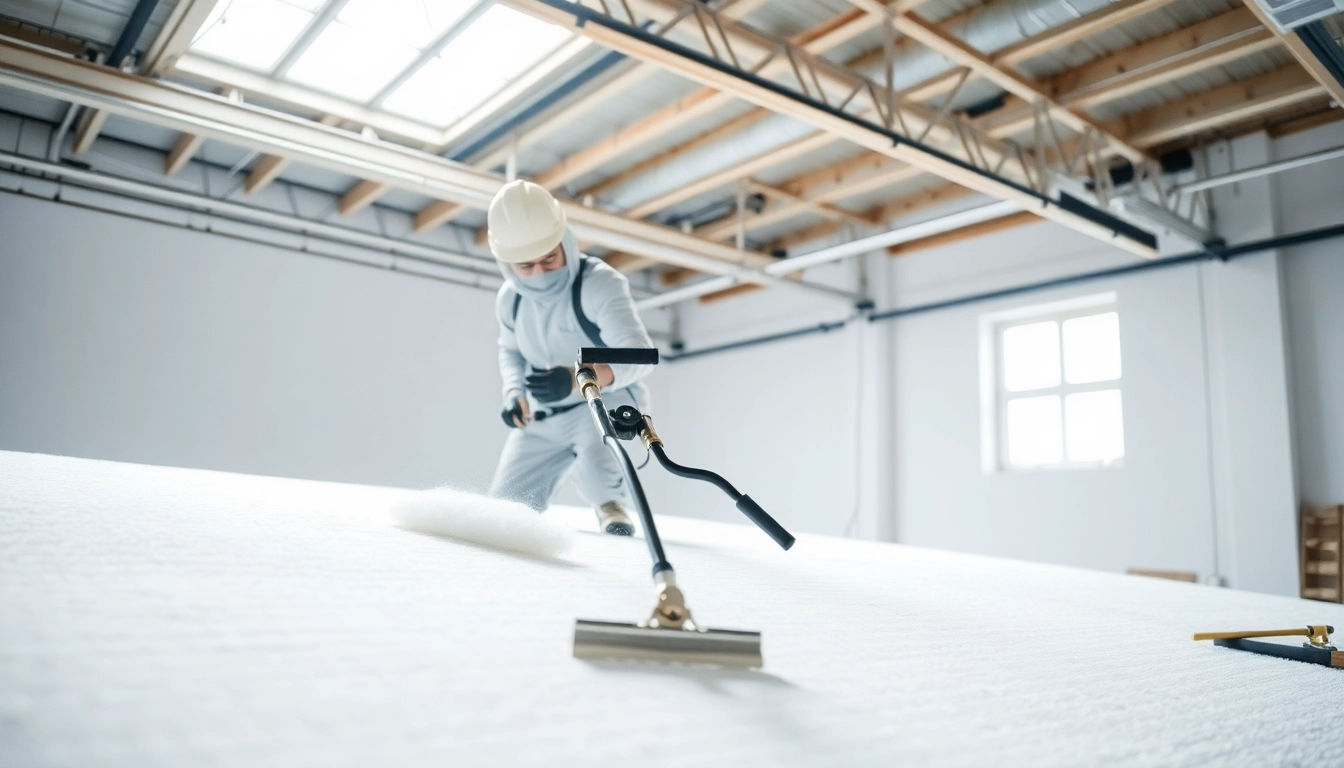
Before attempting spray foam removal, preparing adequately and gathering necessary safety equipment is essential. Personal protective equipment (PPE) should include gloves, goggles, and respiratory masks to safeguard against chemicals and debris. Additionally, consider using long-sleeved clothing and a hard hat for protection. Ensuring the workspace is well-ventilated can also help reduce inhalation risks during the removal process.
Necessary Tools for Removal
The removal of spray foam insulation requires specific tools to ensure effectiveness and safety. Commonly used tools include utility knives, scrapers, saws, and insulation removal vacuums. Depending on the density and location of the foam, you may also require a heat gun to soften stubborn areas. Having a sturdy ladder might be necessary for accessing higher insulation spots. Each tool plays a crucial role in achieving a thorough and efficient removal process.
Checking Local Regulations
It’s critical to familiarize yourself with local regulations governing spray foam insulation before initiating removal. Certain areas may have specific guidelines or recommendations for disposal and safety practices, especially concerning hazardous materials. Understanding these regulations ensures compliance while also prioritizing health and safety for you and your community. Consulting local environmental agencies or building departments can provide valuable insight.
Effective Spray Foam Removal Techniques
Step-by-Step Removal Process
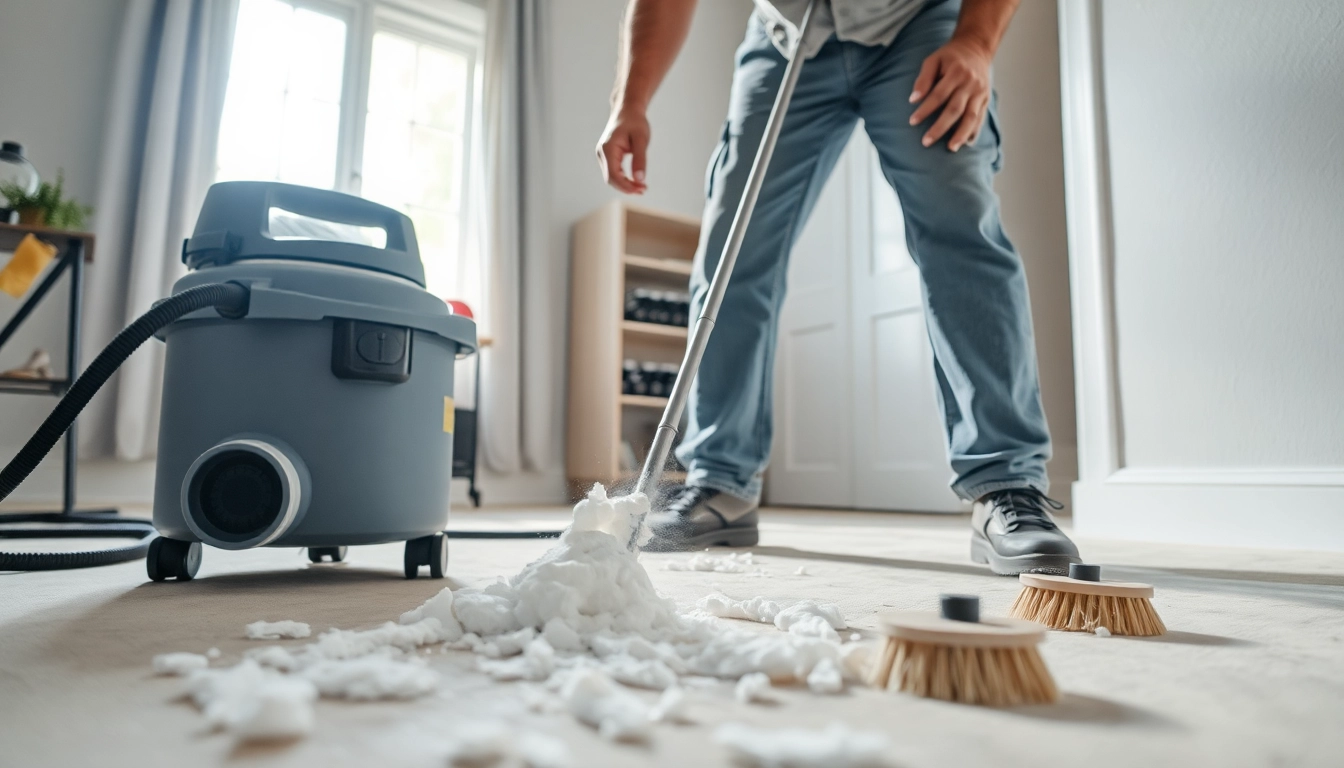
Successfully removing spray foam insulation requires a methodical approach. Start by assessing the area and identifying how the foam is applied. Use utility knives or scrapers to gently cut away large sections, working from the edges inward. If the foam is stubborn, apply a heat gun for softening before scraping. Be cautious as you conduct this process to avoid damaging surrounding structures. Once you’ve removed the bulk of the insulation, use a vacuum specifically designed for insulation removal to capture any remaining particles.
Common Mistakes to Avoid
When removing spray foam, several common missteps can impede the process or cause harm. Rushing through the removal without proper safety gear poses health risks. Additionally, using inappropriate tools can lead to damaging structural components. Failing to adequately clean and prepare the area post-removal can result in lingering foam remnants. Always prioritize precision and safety throughout the removal process to avoid complications later.
When to Call a Professional
Some scenarios warrant professional intervention for spray foam removal. If the insulation is extensive or inaccessible, skilled experts can safely manage the removal while minimizing the risk of damage to your home. Furthermore, if you encounter hazardous materials or suspect serious health risks, consulting professionals trained in handling such situations is crucial. Professionals possess the knowledge and experience to navigate complex removal processes effectively.
Post-Removal Considerations
Cleaning Up After Removal
Once spray foam insulation has been removed, cleaning the area thoroughly is essential. This process includes vacuuming up any debris using specialized equipment to ensure all foam remnants are effectively captured. After vacuuming, it might be necessary to clean surfaces with a gentle cleaner to remove any stuck particles or residues. Proper cleanup ensures that the space is prepped for any future insulation or repairs.
Evaluating the Space for Repairs
After removing the insulation, evaluating the structural integrity of the surrounding area is vital. Look for any signs of moisture damage, mold growth, or structural issues that necessitate repairs. Often, damaged drywall or framing may need attention before new insulation can be installed. Conduct a thorough inspection to determine if repairs are needed, ensuring that future insulation projects are built on a solid foundation.
Alternatives to Spray Foam Insulation
There are various alternatives to spray foam insulation available that could better suit your needs. Fiberglass insulation, cellulose, and mineral wool are well-known options that offer energy efficiency without some of the drawbacks of spray foam. Each alternative has unique benefits and may present fewer health risks associated with installation and removal. Evaluating these options allows homeowners to make informed decisions that best fit their insulation needs.
FAQs
What are the safety precautions for spray foam removal?
Use protective gear, including gloves, goggles, and a respirator. Ensure adequate ventilation, and consider hiring professionals when dealing with large amounts.
How long does spray foam removal take?
The timeframe for spray foam removal can vary based on the amount and location of the insulation, but it usually takes several hours to a couple of days.
Can I remove spray foam insulation myself?
Yes, homeowners can remove spray foam insulation themselves, but proper safety precautions and tools are crucial for a successful and safe removal.
What should I do with leftover foam?
Leftover foam should be disposed of according to local regulations, often requiring it to be taken to a specialized waste management facility.
Are there environmental impacts of spray foam?
Spray foam insulation can have environmental impacts, including potential off-gassing and contributions to waste. Selecting environmentally friendly options reduces these concerns.